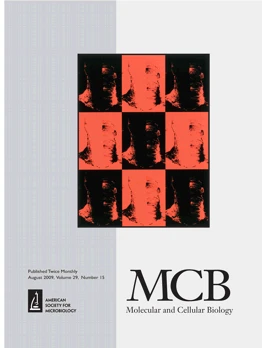
Nucleolus
Largest nuclear structure; site of ribosome biogenesis.

The nucleolus is the largest structure within the nucleus of eukaryotic cells. It is best known as the site of ribosome biogenesis, and also participates in the formation of signal recognition particles and plays a role in the cell's response to stress. Malfunction of the nucleolus is the cause of several human conditions called nucleolopathies, and it is being investigated as a target for cancer chemotherapy.
- discovered
- 1830s
- key_function
- ribosome biogenesis
- components
- fibrillar center, dense fibrillar component, granular component
- associated_disease
- nucleolopathies
Lore & Background
The nucleolus was identified by bright-field microscopy during the 1830s. They found that 25% of frog eggs had no nucleolus and were not capable of life, concluding that the nucleolus had a function necessary for life. Birnstiel and collaborators showed via nucleic acid hybridization experiments that DNA within nucleoli codes for ribosomal RNA.
Reader's Guide
The nucleolus is a critical cellular organelle whose primary role is ribosome biogenesis, a process requiring coordinated action of RNA polymerases I and III. It is composed of proteins, DNA, and RNA, and forms around specific chromosomal regions called nucleolar organizing regions. Its structure includes three major components: the fibrillar center, dense fibrillar component, and granular component. The nucleolus also sequesters proteins through a process called nucleolar detention, involving long noncoding RNAs. Its malfunction leads to nucleolopathies, and it is under investigation as a target for cancer chemotherapy. The nucleolus ultrastructure can be seen via electron microscopy, and its dynamics studied through fluorescent protein tagging and FRAP. Although usually only one or two nucleoli are visible, a diploid human cell has ten nucleolus organizer regions.
Did You Know?
- The nucleolus was first identified by bright-field microscopy in the 1830s.
- Nucleoli of various plant species have very high concentrations of iron, unlike human and animal cell nucleoli.
- A diploid human cell has ten nucleolus organizer regions, though usually only one or two nucleoli are visible.
Frequently Asked Questions
What are Nucleolus's powers/role?
Its headline job is serving as the cell's ribosome assembly line, where rRNA is transcribed and ribosomal subunits are put together. Beyond that, it chimes in by helping build signal recognition particles and by acting as a sensor in the cell's stress-response circuitry.
How does Nucleolus's story end?
When Nucleolus goes off the rails, the consequences show up as a family of human disorders lumped together under the umbrella term 'nucleolopathies.' On the therapeutic front, researchers are actively probing whether targeting Nucleolus could sharpen the effectiveness of cancer chemotherapy.
Why is Nucleolus important?
Because virtually every protein a cell needs to survive is made by ribosomes, and Nucleolus is where those ribosomes get built. Lose that factory and the cell's entire protein-translation pipeline grinds to a halt, which is why its dysfunction has such broad pathological consequences.
What is Nucleolus made of?
Nucleolus isn't a single blob; it's organized into three recognizable sub-compartments—the fibrillar center, the dense fibrillar component, and the granular component—each housing different stages of ribosome processing.
More in Cellular And Molecular Biology 1-24
Elsewhere in the Cellular And Molecular Biology universe
Spotted an error? Know more?
This is a living reference — every entry is fact-audited, and reader corrections feed straight into our audit queue. Suggest an edit · See this site's audit record