Receptor (biochemistry)
Proteins that bind ligands and transduce biological signals.

·Solembum· · CC BY-SA 4.0
Receptors are proteins that receive and transduce signals integrated into biological systems. They bind chemical messengers, such as neurotransmitters or hormones, and produce physiological responses, including changes in cellular electrical activity. Receptors can be classified by location (cell surface or intracellular) or by the property of their ligands, and their actions include relaying, amplifying, or integrating signals.
- field
- Biochemistry and pharmacology
- known_for
- Receiving and transducing chemical signals; binding ligands to produce physiological responses
- types
- Ligand-gated ion channels, G protein-coupled receptors, kinase-linked receptors, nuclear receptors
- ligand_classes
- Agonists, partial agonists, antagonists, inverse agonists, allosteric modulators
Lore & Background
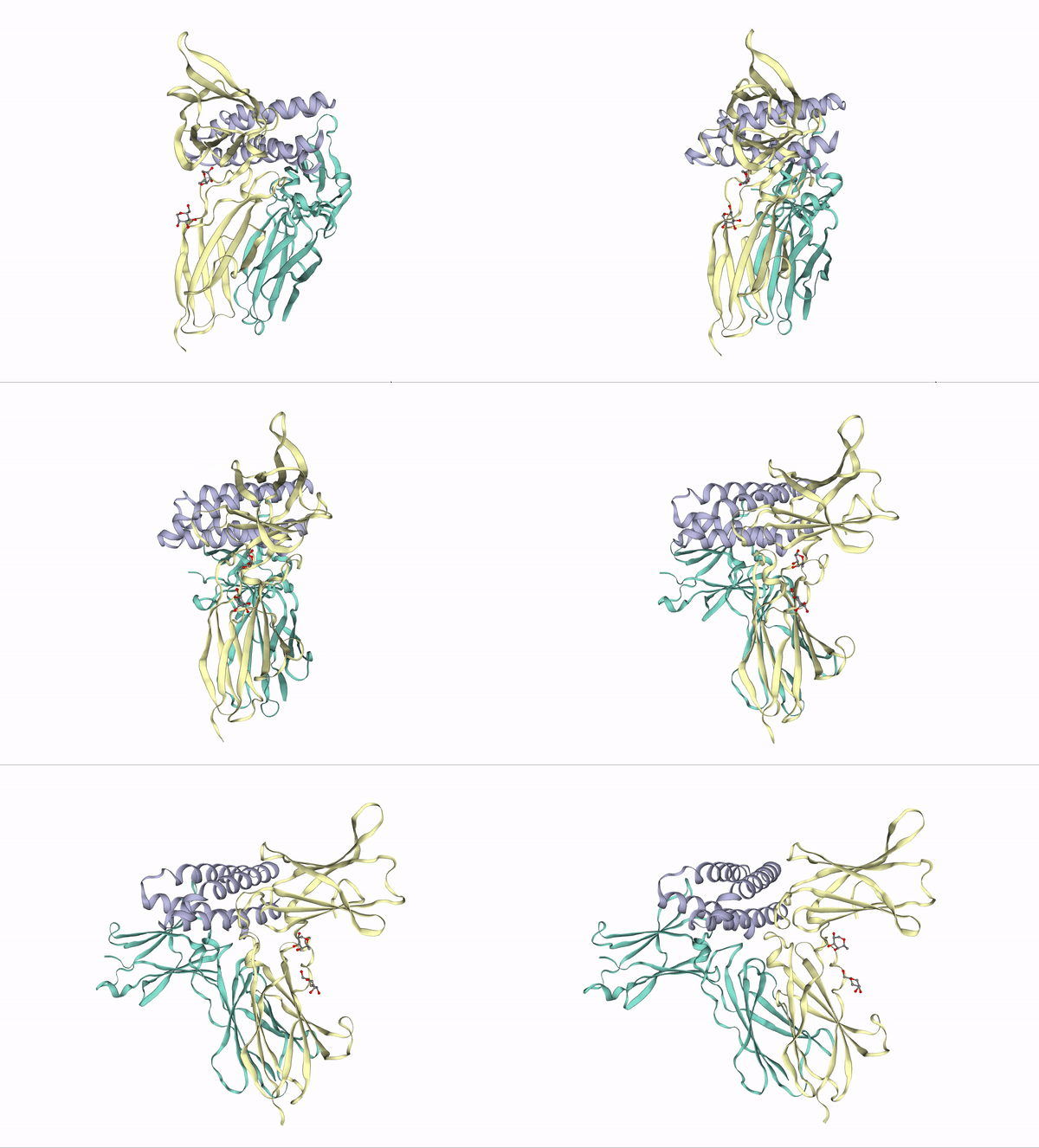
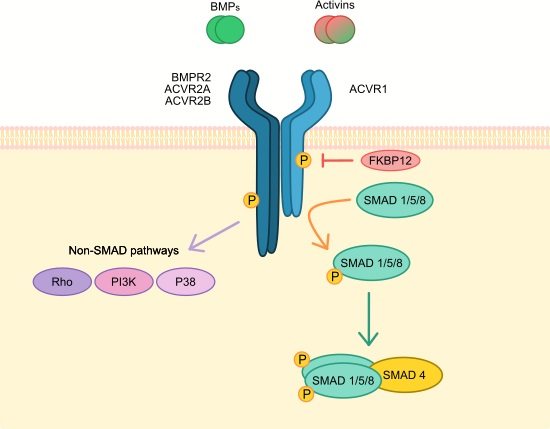
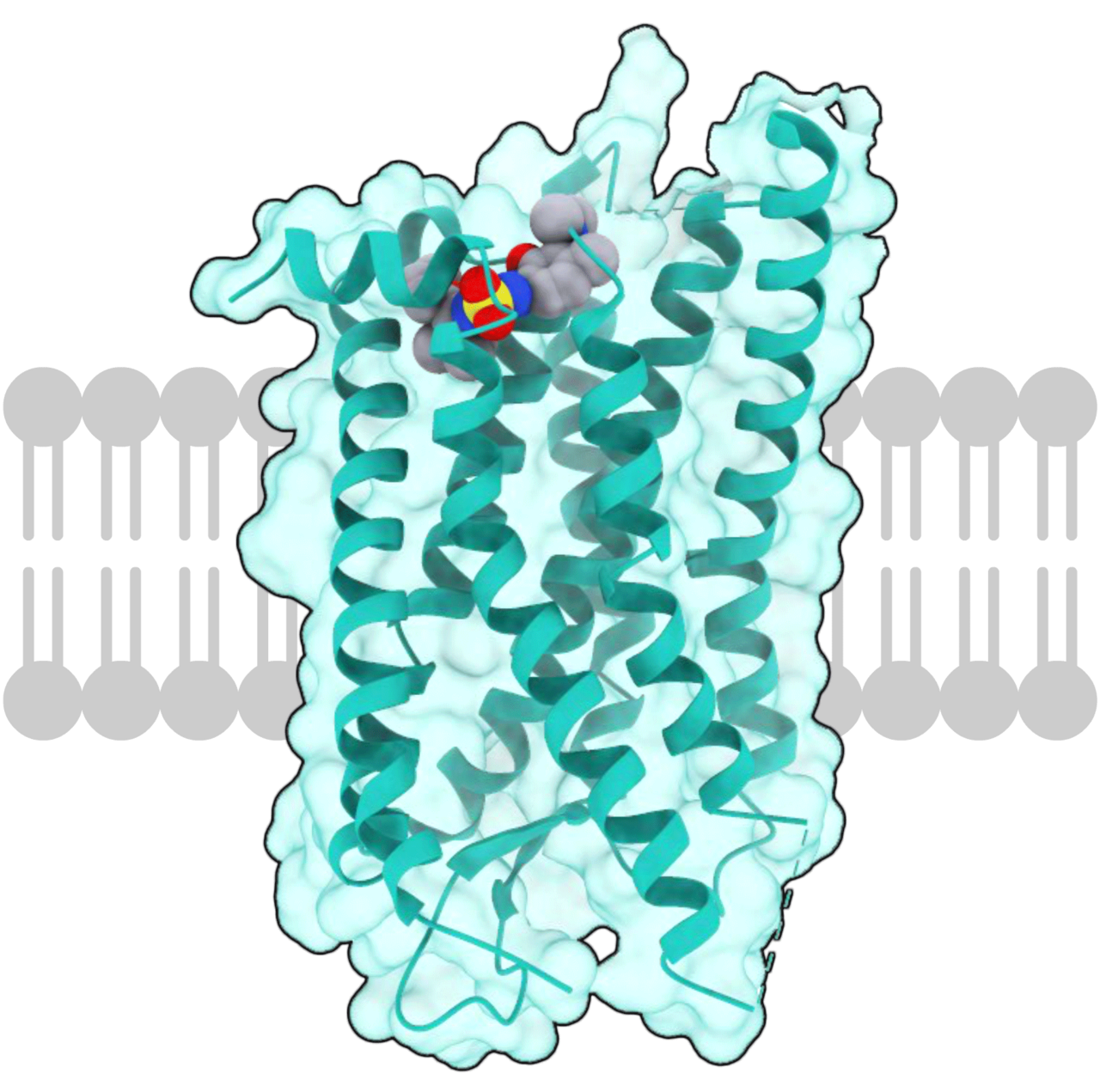
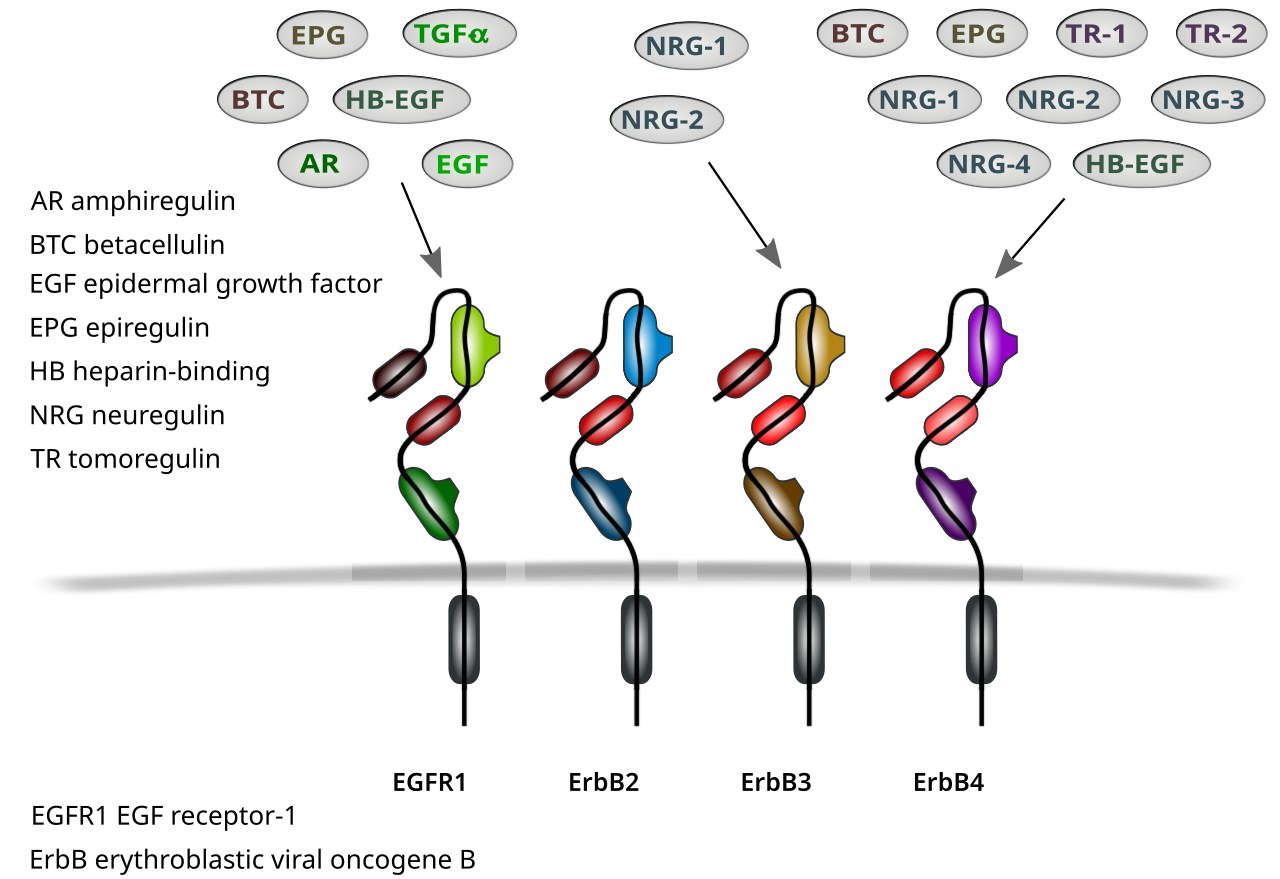
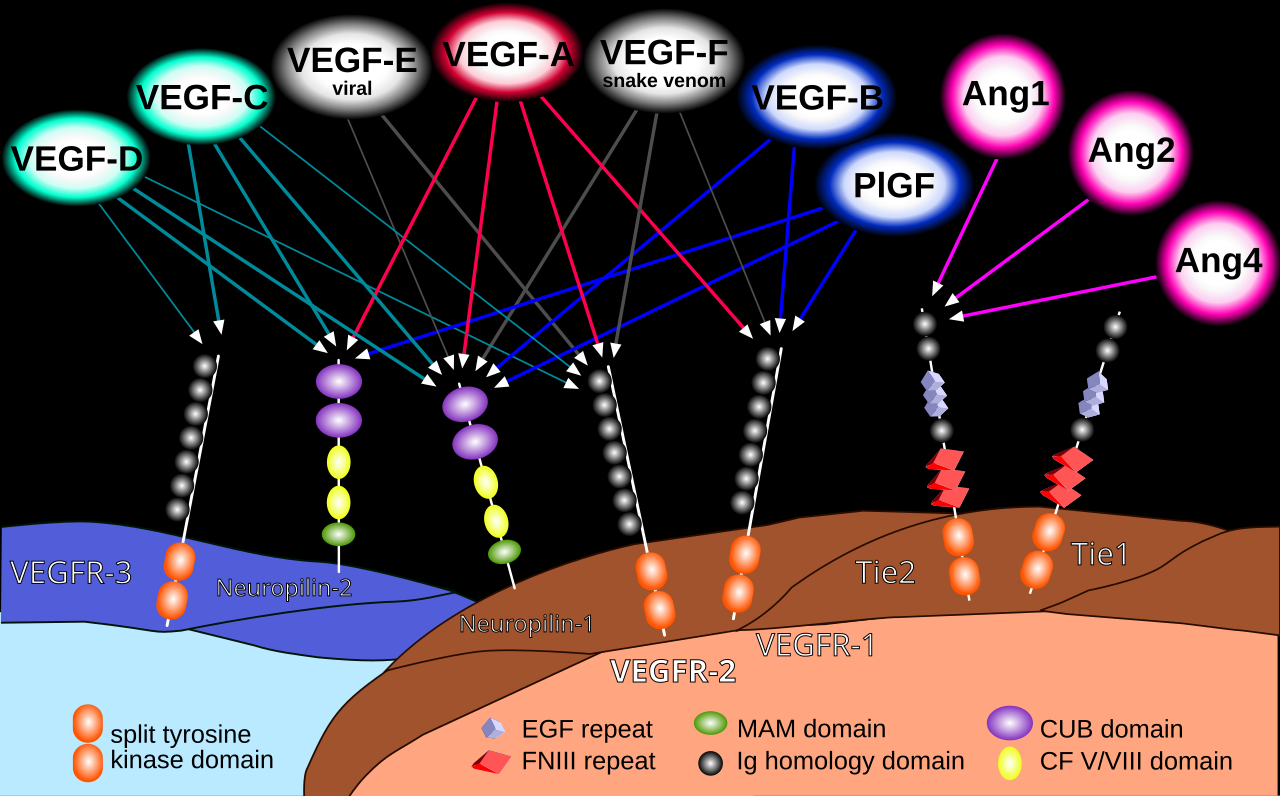
Receptors are diverse in structure, including ligand-gated ion channels (ionotropic receptors) composed of subunits with extracellular ligand-binding domains and transmembrane alpha helices. G protein-coupled receptors (metabotropic receptors) are the largest family, with seven transmembrane alpha helices and coupling to intracellular effector systems via G proteins. Kinase-linked receptors have an extracellular ligand-binding domain and an intracellular enzymatic domain linked by a single transmembrane helix. Nuclear receptors, often located in the cytoplasm, migrate to the nucleus after binding ligands and contain DNA-binding domains with zinc fingers.
Reader's Guide
Receptors are fundamental to cellular communication, enabling organisms to respond to internal and external chemical signals. Their classification by location and ligand type informs drug design, as ligands can act as agonists, antagonists, or inverse agonists. The concept of binding affinity (measured by dissociation constant Kd) and efficacy distinguishes full agonists from partial agonists. Constitutive activity—receptor signaling without a bound ligand—can be blocked by inverse agonists. Understanding receptor structure, such as the seven-transmembrane helices of G protein-coupled receptors or the zinc fingers of nuclear receptors, aids in developing targeted pharmaceuticals. The lock-and-key analogy for ligand-receptor binding underscores specificity, while allosteric modulators (e.g., benzodiazepines on GABAA receptors) demonstrate nuanced regulation. Receptor study employs biophysical methods like X-ray crystallography and computer simulations to elucidate mechanisms of action.
Did You Know?
- GABA inhibits neuronal electrical activity by binding to GABAA receptors.
- The endogenous ligand for the nicotinic acetylcholine receptor is acetylcholine, but it can also be activated by nicotine and blocked by curare.
- G protein-coupled receptors are the largest family of receptors and include receptors for dopamine and metabotropic glutamate.
- Nuclear receptors often migrate from the cytoplasm to the nucleus after binding their ligands.
Administration and Format
The GRE Subject test in Biochemistry, Cell and Molecular Biology was a standardized examination administered by the Educational Testing Service, and it existed exclusively in paper-based form with no computer-delivered alternative ever made available. Candidates could sit for the exam on three occasions each academic year—April, October, and November—giving prospective graduate students multiple windows to demonstrate their knowledge. Upon completing registration, ETS mailed each test-taker a bulletin containing a sample practice test, allowing candidates to familiarize themselves with the format before exam day. The test itself consisted of 180 questions, a substantial volume that required sustained focus over the sitting. In the United States, the exam occupied a meaningful place in graduate admissions: some biochemistry programs merely recommended that applicants take it, while others made a qualifying score a mandatory component of the application file. This dual role—advisory for some institutions, compulsory for others—meant that a single test score could carry very different weight depending on the program to which a student applied.
Scoring and Performance Landscape
Scores on the GRE Biochemistry subject test were reported on a scaled scale spanning from 200 to 990, a wide theoretical range that in practice compressed considerably. In the most recent iterations of the exam, no test-taker recorded a score above 760, which corresponded to the 99th percentile, nor below 320, the 1st percentile. This meant that the effective scoring band for the vast majority of candidates fell within a roughly 440-point window. Looking at the broader performance picture, the mean score across all test-takers from July 2009 through July 2012 stood at 526, with a standard deviation of 95 points. That standard deviation tells us that most candidates clustered within roughly 431 to 621, one standard deviation on either side of the mean. The gap between the theoretical ceiling of 990 and the practical maximum of 760 underscores how demanding the 180-question paper-based format was, even for the most prepared candidates in the field.
Curriculum Scope and Content Architecture
Because many students apply to graduate biochemistry programs during the first half of their senior year, the exam was deliberately scoped to reflect the material covered in the first three years of a typical American undergraduate biochemistry curriculum. The 180 questions were distributed across three major domains: biochemistry accounted for 36 percent of the test, cell biology for 28 percent, and molecular biology for the remaining 36 percent. Within biochemistry, topics ranged from thermodynamics, redox chemistry, and enzyme kinetics to metabolic pathways, bioenergetics, and laboratory methods such as spectroscopy and chromatography. Cell biology questions addressed membrane systems, signal transduction, receptor function, cytoskeletal dynamics, protein trafficking, and cell division. Molecular biology covered genetic inheritance, chromatin structure, genomics, DNA replication and repair, gene expression, regulatory mechanisms, virology, and recombinant DNA techniques. This tripartite structure ensured that a successful candidate needed broad, integrated knowledge rather than depth in a single subfield.
Discontinuation and the Compromise Incident
The GRE Biochemistry, Cell and Molecular Biology test was officially discontinued in December 2016, ending its run as a subject-specific standardized exam. The immediate catalyst for the decision was a security breach: ETS learned that test content from prior editions of the exam had been compromised in Israel. In response, the organization made the judgment call to halt worldwide administration of the test for the 2016–17 academic year. This was a significant disruption for graduate applicants who had been preparing for the April, October, or November sitting, as well as for programs that had built the score into their admissions requirements. The compromise incident highlighted a vulnerability inherent in paper-based examinations with fixed test windows: once items are exposed in one region, the integrity of the entire global administration is at risk. The discontinuation effectively removed a long-standing benchmark from the biochemistry graduate admissions landscape, leaving programs to rely on other metrics or to develop their own assessment strategies.
Gallery
Frequently Asked Questions
What exactly is a receptor in biochemistry?
A receptor is a specialized protein that sits on or inside a cell and acts as a signal receiver. It grabs onto a specific chemical messenger—like a neurotransmitter or hormone—and converts that binding event into a measurable cellular response, such as a shift in membrane voltage.
What are the main receptor types every fan should know?
The four major families are ligand-gated ion channels, G protein-coupled receptors, kinase-linked receptors, and nuclear receptors. They can also be grouped by location (cell-surface versus intracellular) or by a defining property of the ligand they recognize.
How does a receptor turn a tiny chemical signal into a big cellular response?
Once a ligand docks onto its receptor, the protein undergoes a conformational change that kicks off a downstream cascade. That cascade can relay, amplify, or integrate the original signal so a single binding event ultimately drives a large physiological effect.
What kinds of ligands can interact with a receptor?
Beyond full agonists, you'll encounter partial agonists, antagonists that simply block activation, inverse agonists that push the receptor below its resting baseline, and allosteric modulators that fine-tune sensitivity from a secondary binding site.
Why do biochemistry and pharmacology students obsess over receptors?
Receptors are the central hub where molecular chemistry meets whole-organ physiology, making them the primary target of the vast majority of drugs. Grasping receptor behavior is essentially the foundation for understanding everything from neurotransmission to hormone signaling.
More in Cellular And Molecular Biology 25-36
Elsewhere in the Cellular And Molecular Biology universe
Spotted an error? Know more?
This is a living reference — every entry is fact-audited, and reader corrections feed straight into our audit queue. Suggest an edit · See this site's audit record