
Ligand (biochemistry)
A substance that binds to a biomolecule for a biological purpose.

Project Osprey · CC BY-SA 3.0
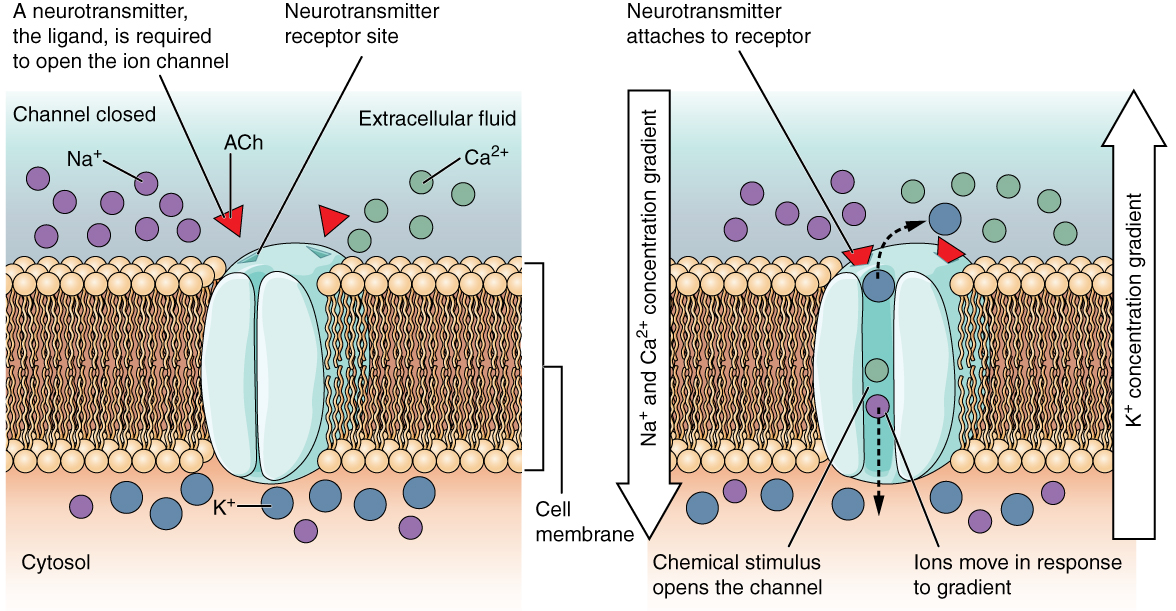
In biochemistry and pharmacology, a ligand is a substance that forms a complex with a biomolecule to serve a biological purpose. The etymology stems from Latin 'ligare', meaning 'to bind'. Ligands include substrates, inhibitors, activators, signaling lipids, and neurotransmitters, and their binding to target proteins or DNA typically results in a change of conformation of the target, affecting its functional state.
- field
- Biochemistry, pharmacology
- known_for
- Binding to biomolecules to produce a biological signal or effect
- key_concepts
- Binding affinity, agonist, antagonist, efficacy, selectivity
Lore & Background
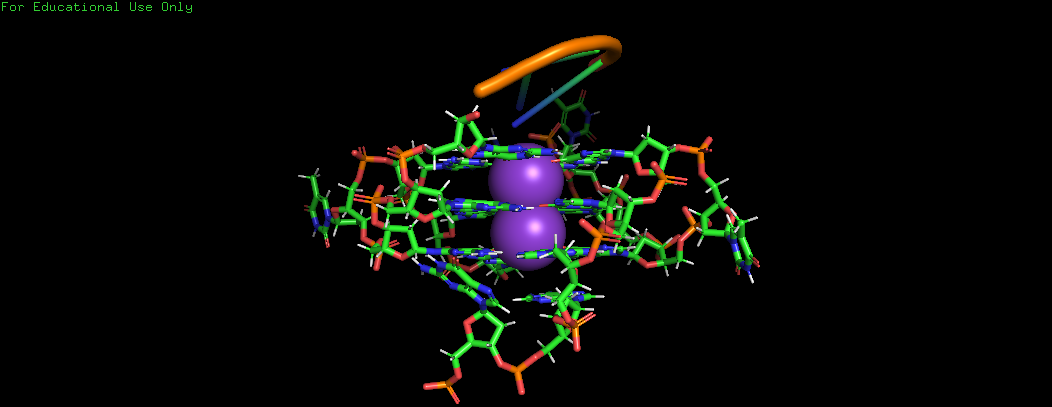
Ligand binding occurs by intermolecular forces such as ionic bonds, hydrogen bonds, and Van der Waals forces. The association is reversible through dissociation; measurably irreversible covalent bonding is atypical in biological systems. In protein-ligand binding, the ligand is usually a molecule that produces a signal by binding to a site on a target protein, altering its three-dimensional shape orientation. In DNA-ligand binding, the ligand can be a small molecule, ion, or protein that binds to the DNA double helix. The relationship between ligand and binding partner is a function of charge, hydrophobicity, and molecular structure.
Reader's Guide
Ligands are central to understanding receptor function and drug action. Binding affinity, measured as Ki, Kd, or IC50, quantifies the strength of interaction. High-affinity binding often results in greater attractive forces and higher receptor occupancy, though residence time does not correlate. Agonists bind and alter receptor function to trigger a physiological response; antagonists bind but fail to activate a response. Efficacy describes the magnitude of the biological response produced. Selective ligands bind to limited receptor types, while non-selective ligands bind to several, which can increase adverse effects. Bivalent ligands, consisting of two pharmacophores connected by a linker, have been used to study receptor dimers and may offer advantages in tissue selectivity and potency.
Did You Know?
- The etymology of 'ligand' stems from Latin 'ligare', meaning 'to bind'.
- High-affinity ligand binding does not correlate with the residence time of the receptor-ligand complex.
- Radioligands are radioisotope labeled compounds used as tracers in PET studies and in vitro binding studies.
- Bivalent ligands consist of two drug-like molecules connected by an inert linker and have been used to study receptor dimers.
Gallery
Frequently Asked Questions
What is a ligand in biochemistry?
A ligand is any molecule that attaches to a biomolecule such as a protein or DNA in order to trigger a specific biological response. The word comes from the Latin 'ligare,' meaning 'to bind,' which captures its core job perfectly.
What kinds of molecules count as ligands?
The category is broad: substrates, inhibitors, activators, signaling lipids, and neurotransmitters all qualify. In short, any substance that docks onto a target biomolecule to produce a biological effect is considered a ligand.
What happens when a ligand binds to its target?
Binding typically induces a conformational change, meaning the target molecule shifts its three-dimensional shape. That shape shift alters the target's functional state, effectively turning a biological signal on or off.
What's the difference between an agonist and an antagonist?
An agonist binds a receptor and activates it to produce a full biological response, whereas an antagonist occupies the same site but blocks that activation. Both are distinguished by their binding affinity, efficacy, and selectivity toward the target.
Why is ligand binding central to pharmacology?
Most drugs work by either mimicking a natural ligand or blocking its binding site, so understanding affinity, efficacy, and selectivity is the foundation of rational drug design. Without grasping how ligands interact with their targets, we couldn't predict how a medication will behave in the body.
More in Cellular And Molecular Biology 1-24
Elsewhere in the Cellular And Molecular Biology universe
Spotted an error? Know more?
This is a living reference — every entry is fact-audited, and reader corrections feed straight into our audit queue. Suggest an edit · See this site's audit record