Helicase
Enzymes that unwind nucleic acid strands using ATP hydrolysis.

Michael R. Sawaya, Shenyuan Guo, Stanley Tabor, Charles C. Richardson, Tom Ellen · CC0
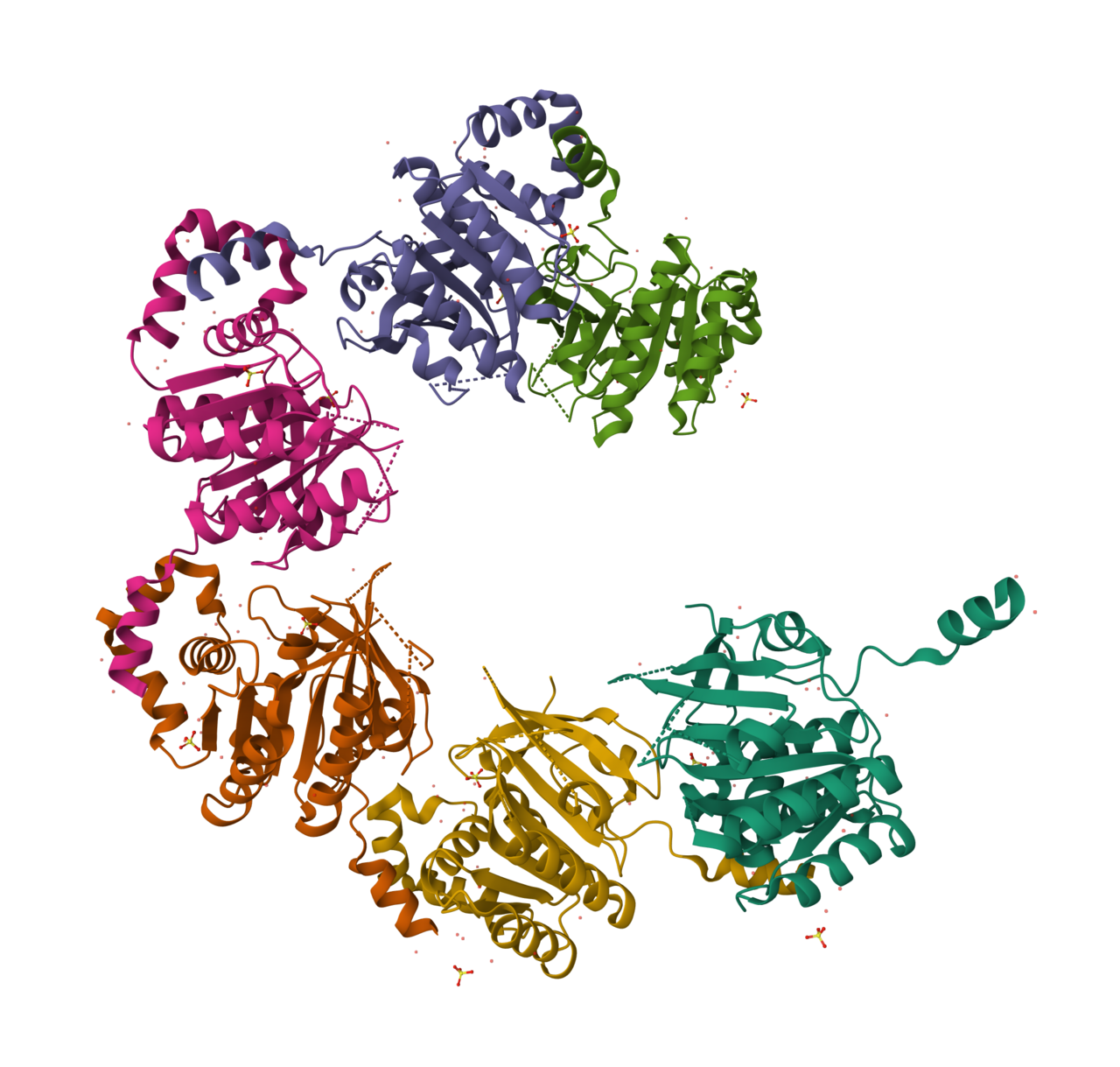
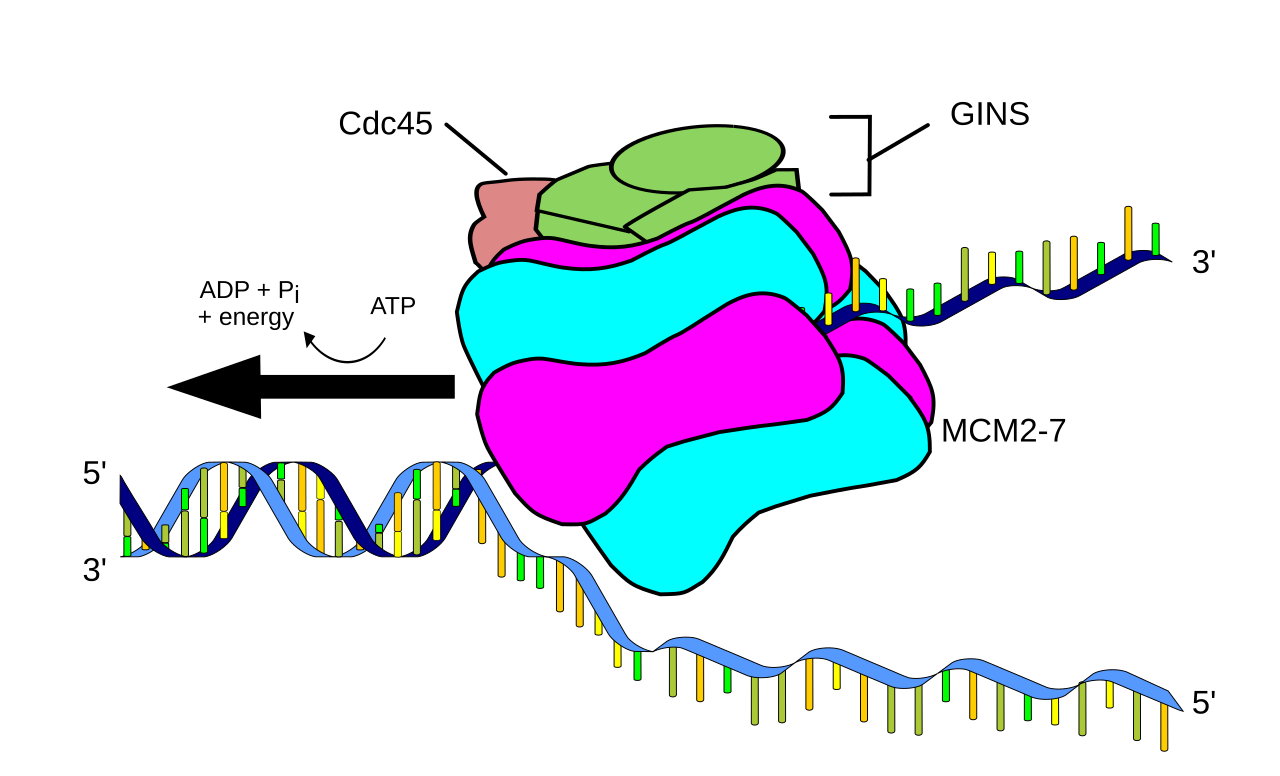
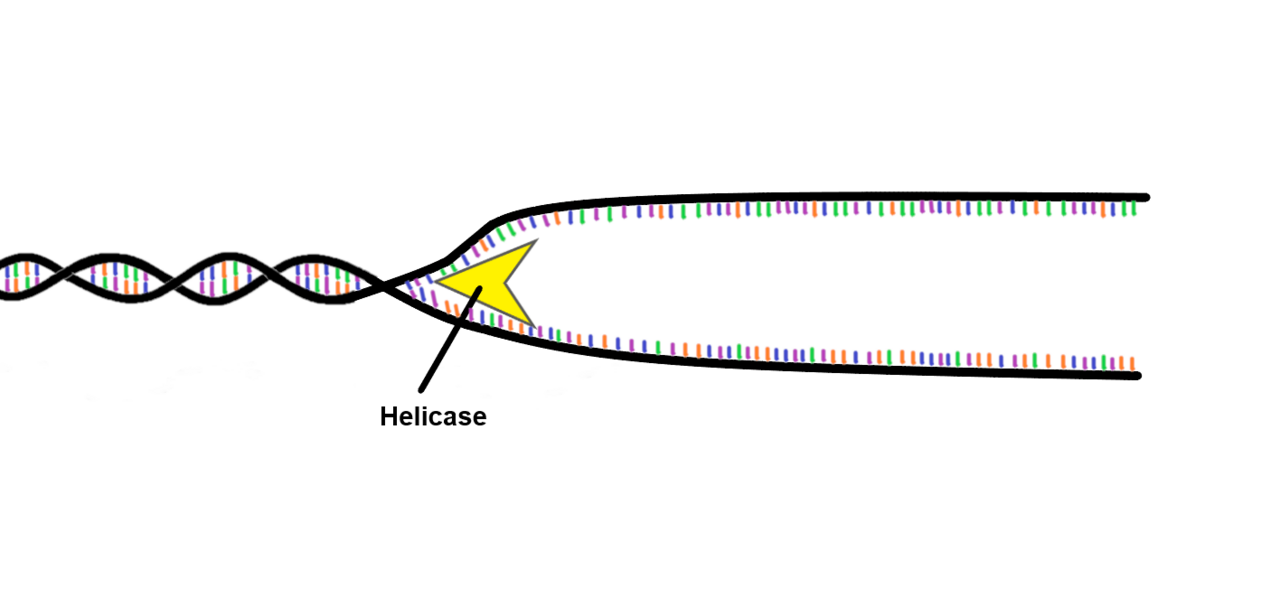
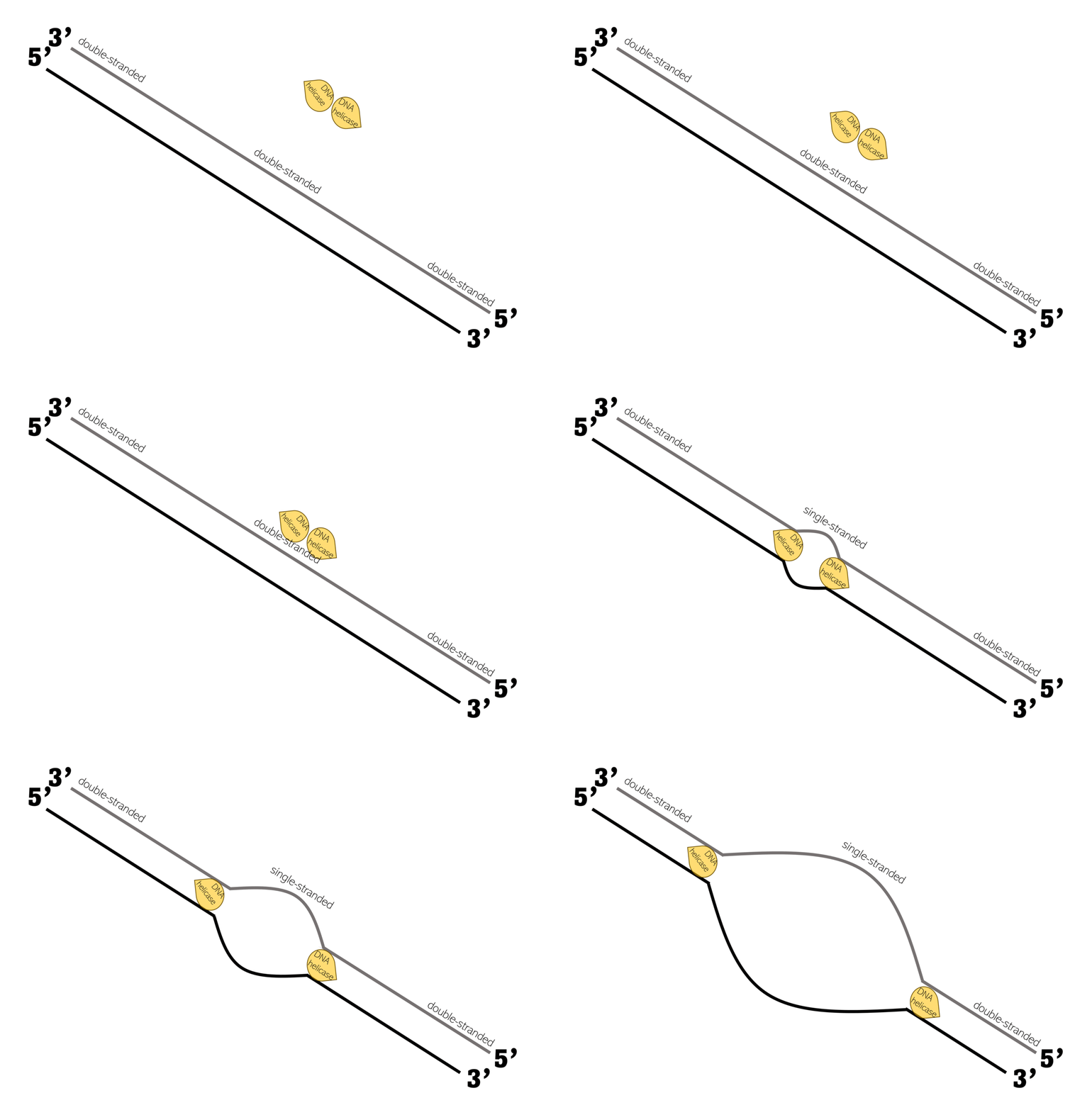
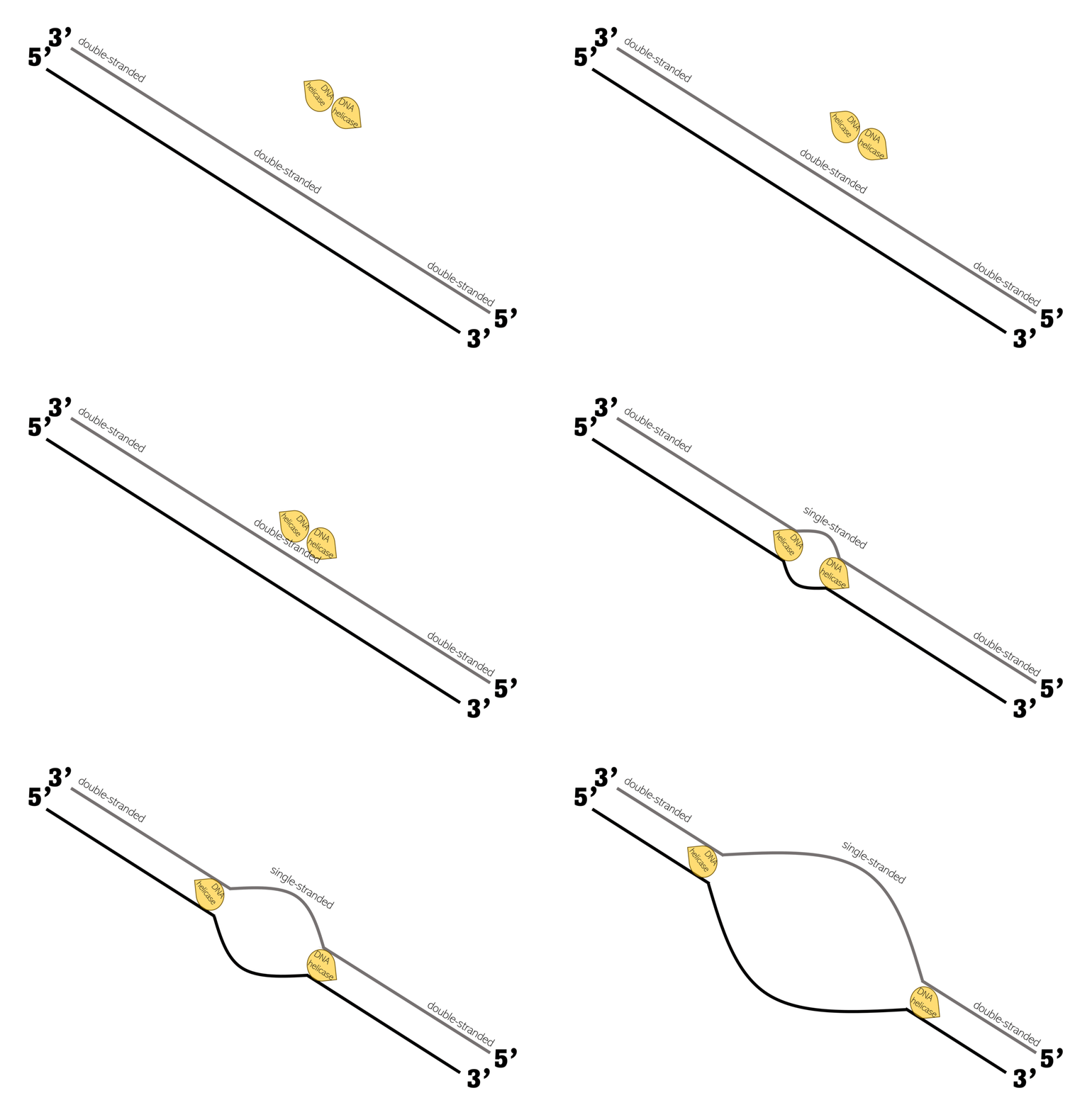
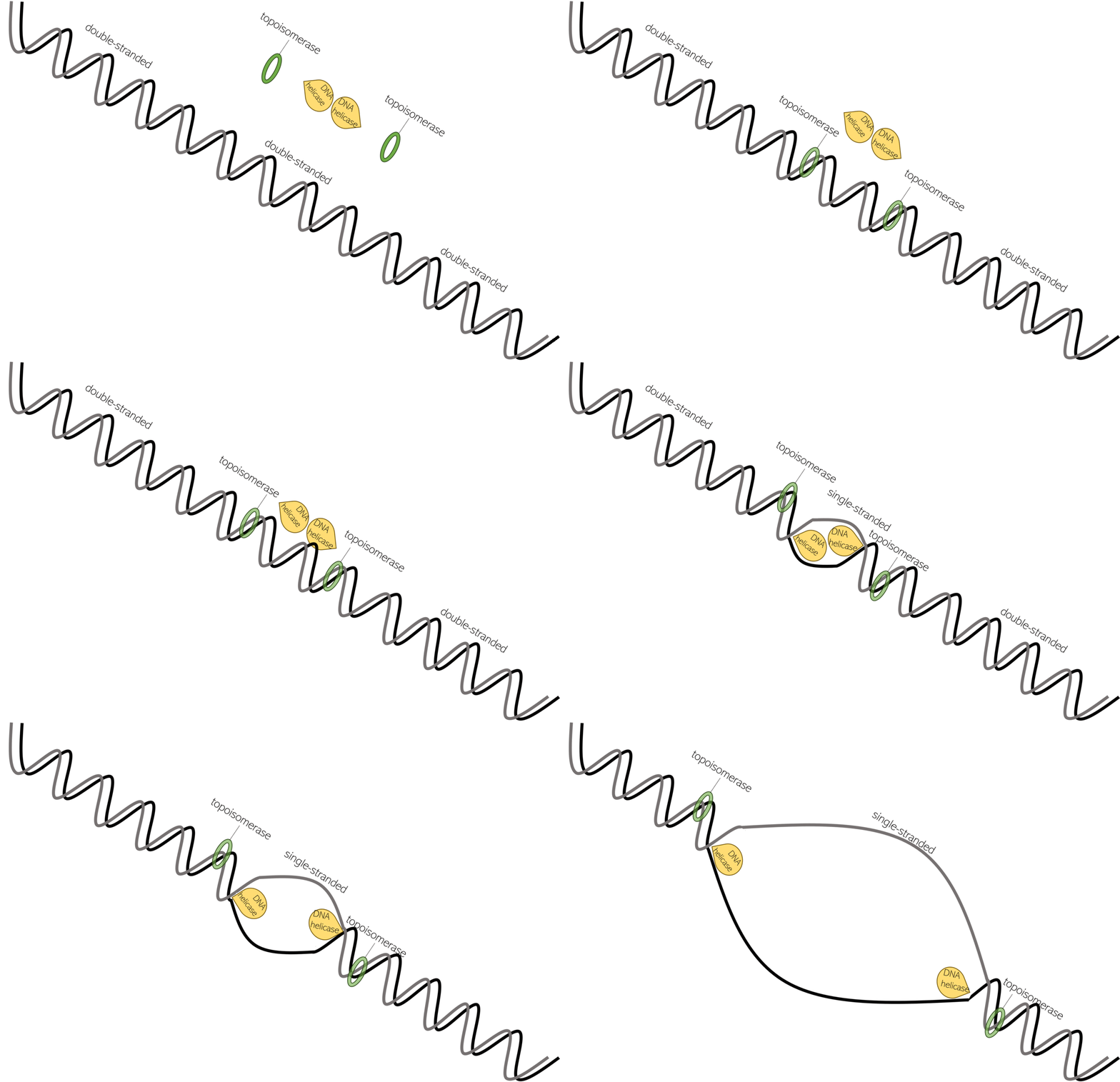
Helicases are a class of enzymes vital to all organisms, functioning primarily to unpack genetic material. They are motor proteins that move directionally along a nucleic acid double helix, separating the two hybridized strands using energy from ATP hydrolysis. The proportion of eukaryotic genes coding for helicases varies significantly across species and is not a fixed statistic. Similarly, the number of helicases encoded in the human genome is not universally agreed upon, with different sources citing different totals. These enzymes are essential for many cellular processes, including DNA replication, transcription, translation, recombination, DNA repair, and ribosome biogenesis, and some specialized helicases also sense viral nucleic acids during infection.
Lore & Background
Helicases were first discovered in E. Since then, helicases have been found in other bacteria, viruses, yeast, flies, and higher eukaryotes, with numerous examples identified across diverse organisms, though specific counts from single-celled organisms, bacteriophages, viruses, yeast, plants, calf thymus, and human cells vary widely in the literature and are not standardized.
Reader's Guide
Helicases are fundamental to life because they catalyze the separation of nucleic acid strands, a prerequisite for DNA replication, transcription, translation, and repair. Their significance is underscored by the fact that approximately 1% of eukaryotic genes code for helicases, and mutations in these genes can have wide-reaching impacts due to their involvement in many biological processes. Helicases are classified as active or passive based on their mechanism: passive helicases rely on thermal fluctuations and are sequence-dependent, while active helicases directly destabilize the replication fork, unwinding at a constant rate. They can adopt various structures, such as ring-shaped hexamers or monomers/dimers, and may process faster in vivo due to accessory proteins. Their role in sensing viral nucleic acids also highlights their immunological function.
Did You Know?
- Helicases move directionally along a nucleic acid double helix, separating strands using energy from ATP hydrolysis.
- The number of helicases encoded in the human genome is not fixed; different sources report varying totals, and no single count is universally accepted.
Gallery
Frequently Asked Questions
What is Helicase?
Helicase is a class of motor-protein enzymes found in every living organism whose core job is to pry apart the two strands of a nucleic-acid double helix. Rather than cutting the backbone, it simply walks along one strand and peels the complementary strand away, converting a tightly wound duplex into two single strands.
How does Helicase power its unwinding action?
Each step of the motor cycle is fueled by the hydrolysis of ATP into ADP and inorganic phosphate. The energy released drives conformational changes that let the helicase grip, translocate directionally along the nucleic acid, and ratchet the opposing strand out of the way.
Why is Helicase considered essential to cellular life?
Without strand separation, DNA replication, transcription, and many repair pathways simply cannot proceed, so helicases sit at the heart of virtually every genome-maintenance process. Their failure or misregulation is linked to a wide spectrum of diseases, underscoring how non-redundant their function is.
Exactly how many helicase genes does the human genome carry?
There is no single agreed-upon number, because different classification schemes and database annotations yield different totals. What is clear is that the fraction of eukaryotic genes dedicated to helicases shifts noticeably from one species to the next, so no fixed percentage applies across the board.
More in Cellular And Molecular Biology 1-24
Elsewhere in the Cellular And Molecular Biology universe
Spotted an error? Know more?
This is a living reference — every entry is fact-audited, and reader corrections feed straight into our audit queue. Suggest an edit · See this site's audit record